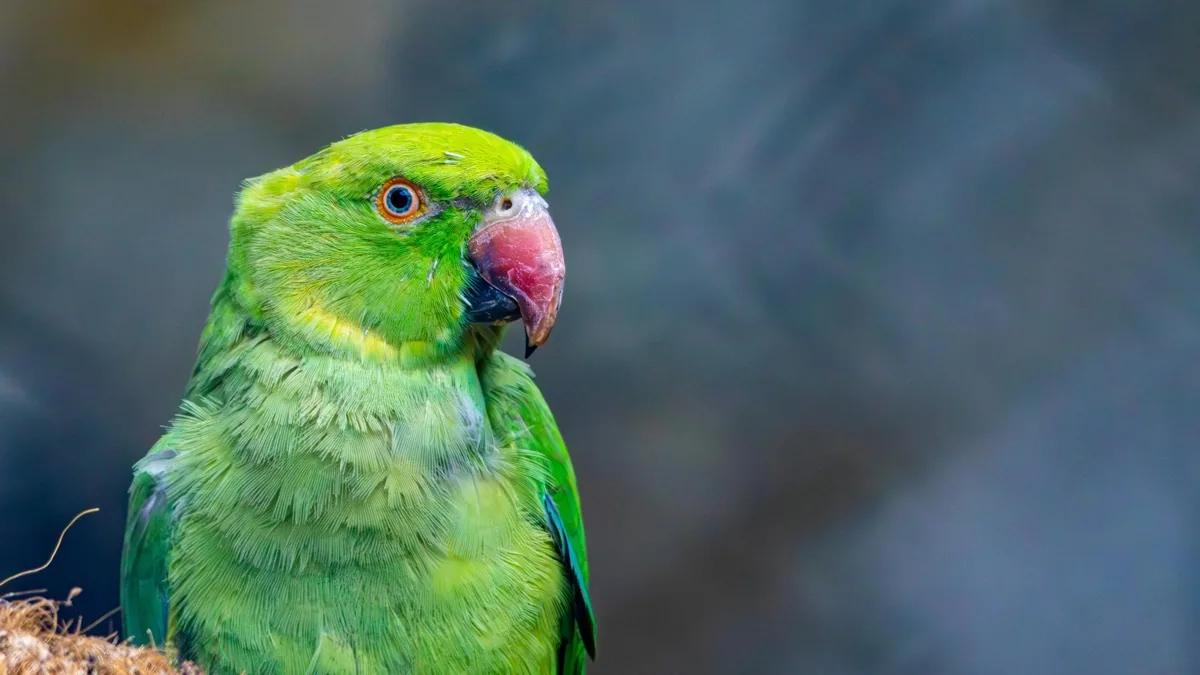
The Workup: Where the $940 Went
Feather plucking is one of those problems where the vet has to rule out a dozen medical causes before anyone says the word "behavioral." Lorna's avian vet was upfront about this at the first visit. She told us that skin infections, liver problems, heavy metal exposure, parasites, and hormonal issues can all cause a bird to pull feathers, and you can't tell which one it is by looking.
Here's what the diagnostics actually cost in Lorna's case. The initial exam with the avian specialist was $95. Bloodwork with a full chemistry panel ran $265, which is more than I pay for my dogs because avian blood panels are a specialty lab job. Skin and feather follicle testing added $130. Then the vet recommended radiographs to check for zinc or lead exposure, since Pistachio had chewed on an old cage clip months earlier. Those were $185, plus $85 for sedation because you cannot ask a stressed parrot to hold still. A follow-up visit two weeks later was another $75, with a recheck of one blood value at $105.
Total: $940 over about five weeks. And the results? Everything came back normal. No zinc. No infection. Healthy liver. Which meant the plucking was almost certainly behavioral, triggered by some combination of dry winter air, boredom, and a schedule change after Lorna started working longer hours.
What the Insurance Actually Paid
Lorna has one of the few policies on the market that covers birds. Most of the big-name pet insurers only write policies for dogs and cats, so bird owners end up with a small pool of options for avian and exotic coverage. Her plan had a $250 deductible and 90% reimbursement after that.
The claim for the medical workup went through mostly fine. The exam fees, bloodwork, testing, and radiographs were all treated as covered diagnostics for a suspected illness. After her deductible, she got back a little over $600 of the $940. Honestly, better than I expected.
Then came the second half of the story. Since the diagnosis was behavioral, the vet recommended a consultation focused on environmental changes, foraging enrichment, and a humidifier setup, with a possible referral for anti-anxiety medication if things didn't improve. That consult cost $210. The insurance denied it. Every penny.
The Behavioral Exclusion
The denial letter pointed to an exclusion for "behavioral conditions and behavioral therapy or training." I went back and read Lorna's full policy with her, and there it was, one line in a list of about thirty exclusions. The diagnostics to rule out medical causes were covered because at that point the condition was still "suspected illness." The moment the paperwork said behavioral, coverage stopped.
Some insurers sell behavioral coverage as an add-on rider, and a few include it in premium plans for dogs and cats. For birds, it's rare. If you own a parrot species prone to plucking, and that includes African greys, cockatoos, and eclectus parrots, this single exclusion could matter more than almost anything else in the policy.
Why Plucking Is Such a Big Deal for Parrot Owners
I'll admit that before this happened, I thought of feather plucking as a cosmetic problem. It's not. The Association of Avian Veterinarians treats feather destructive behavior as a serious welfare issue, and their owner resources at aav.org are worth reading if you own any parrot species. Chronic pluckers can damage follicles permanently, and birds that progress to skin mutilation sometimes need collars, medication, or long-term management.
The other thing I didn't appreciate is how common it is. Avian vets see plucking constantly. African greys like Pistachio are famous for it. That means insurers see these claims constantly too, which is exactly why the exclusions exist. An insurance company can predict that a certain percentage of insured greys will develop this exact problem, and behavioral treatment can drag on for years.
How Pistachio Is Doing Now
Good news first. Five months later, the bare patch has mostly filled in. Lorna added a humidifier near the cage, rotates foraging toys weekly, and moved Pistachio's cage so she can see the front door (apparently being able to watch for Lorna's car reduced the evening screaming and the plucking both). No medication needed so far.
The out-of-pocket total came to about $550 once you count the deductible and the denied consult. Not a disaster. But Lorna's take, and I agree with her, is that the $210 denial stung more than the $940 workup, because she thought she was covered and she wasn't.
If you're shopping for bird insurance, do the thing we didn't do. Search the policy document for the word "behavioral" before you buy. Ask the insurer directly, in writing, whether feather destructive behavior is covered at the diagnostic stage, the treatment stage, or both. For a species where plucking is one of the most likely claims you'll ever file, that answer should probably decide which policy you pick.