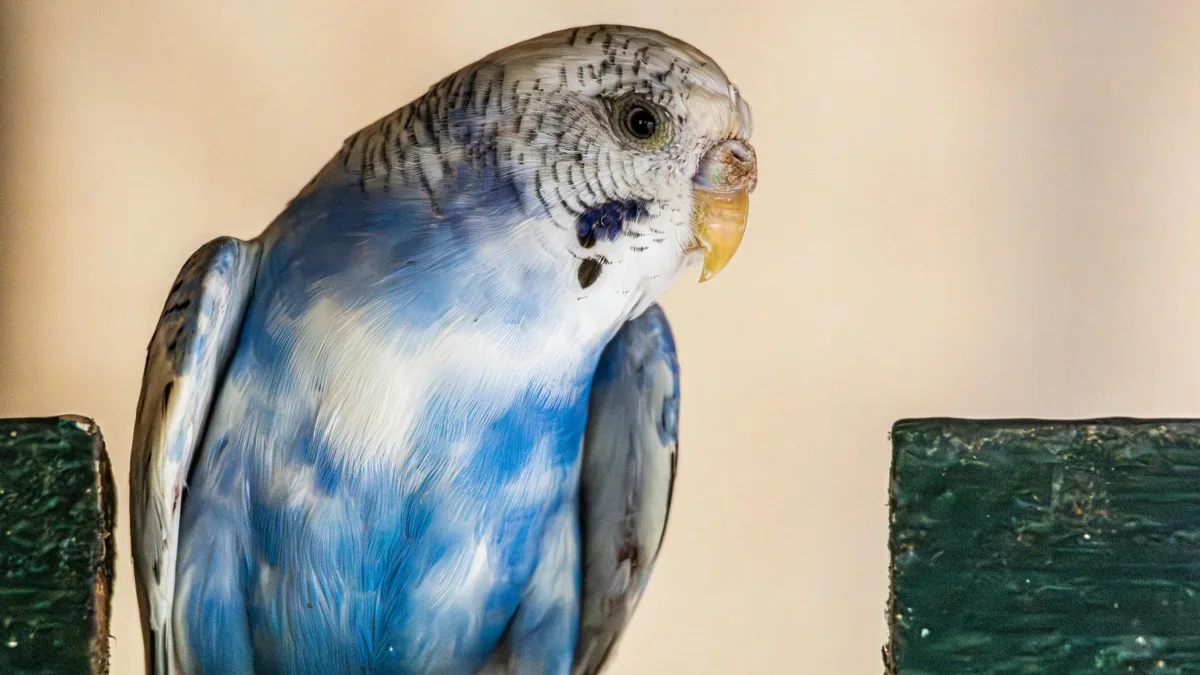
Why Parrotlets Cost More Than You'd Expect at the Vet
Parrotlets are small — usually 4-5 inches, somewhere around 30 grams. People see that size and assume the vet bills will scale proportionally. They don't. Avian medicine is a specialized field. Not every vet practices it. The ones who do typically charge more because the equipment, training, and expertise required are different from standard small animal medicine.
Avian X-rays require different positioning and sometimes sedation. Blood panels for birds use smaller volumes but specialized reference ranges. Most medications have to be compounded into appropriate doses for small birds. Every step costs more because it requires more specialization.
For parrotlets specifically, the most common issues I've seen or heard about include respiratory infections (often bacterial or fungal), egg binding in females, feather destructive behaviors with underlying causes, nutritional deficiencies, and gastrointestinal problems. None of these are cheap to diagnose and treat at an avian specialist.
Kiwi's bacterial infection ran $1,380 for two nights. That's not unusual. An egg binding case can run $800-2,500 depending on whether it resolves medically or requires surgery. A full diagnostic workup — bloodwork, X-ray, culture — can easily hit $400-600 before treatment even starts.
Which Insurers Cover Birds
This is where it gets complicated. Most pet insurance companies only cover dogs and cats. A smaller group covers exotic pets including birds, and an even smaller group covers birds well.
Nationwide is probably the most accessible option for bird coverage and is one of the few major insurers that explicitly covers exotic pets including birds. Their Avian and Exotic plan is designed for non-dog, non-cat pets and covers illness, injury, and some diagnostics. It's not cheap, but it's real coverage from a company that knows bird claims.
Exotic Direct (available in some markets) and a handful of specialty insurers also cover birds. When Diane was shopping around, she found that the hardest part wasn't finding an insurer willing to cover birds in general — it was finding one that covered the avian specialists in her area. Some plans have provider network restrictions that limit which vets you can use, which matters a lot for birds since you need an avian specialist, not a general vet.
Nationwide's exotic pet plans typically work on a per-condition benefit schedule rather than a percentage-of-bill model. That means they pay a set amount for each diagnosis, not a percentage of your actual bill. Read the schedule carefully before assuming a condition is covered for what you'd actually spend.
What to Look For in a Parrotlet Policy
Based on Diane's experience and what I've learned from other bird owners:
Avian specialist access: The plan should cover licensed avian vets (look for Diplomat, ABVP in avian practice credentials). If the plan only covers "small animal" vets, it won't help you in a parrotlet emergency.
Illness coverage: Parrotlets are more likely to need care for illness than injury. Accident-only policies are nearly useless for birds. You need illness and injury combined.
No per-condition caps too low to be useful: A $500 per-condition cap sounds like something when you're looking at monthly premiums. It's not. Kiwi's infection alone would have exceeded it. Look for benefit schedule amounts that actually reflect what avian care costs.
Waiting periods: Most policies have waiting periods of 2-14 days for illness. Buy before anything seems wrong. Diane learned this when she asked about getting insurance mid-illness — Kiwi's bacterial infection would have been a pre-existing condition had she bought it that week.
What Diane Did After Kiwi's Emergency
She got a Nationwide avian policy the week after paying the $1,380 bill. Monthly premium is around $22. She's been paying for about eight months now. Kiwi had a follow-up appointment three months after the infection that ran $280 — some of which was covered as a follow-up to the original illness, though that claim took a few weeks and some back-and-forth on documentation.
Her verdict is that the insurance is worth it for her peace of mind, even knowing she's paying out-of-pocket on premiums. "He's going to be around for 20 years," she told me. Parrotlets can live 15-20 years in captivity. That's a long time to go without coverage.
She also started doing things she didn't know about before: annual well-bird exams at her avian vet, watching for behavioral changes that can signal early illness, keeping her home at a more consistent temperature because drafts are hard on small birds. The vet experience made her a more attentive owner, which is its own kind of risk reduction.
The Bottom Line on Parrotlet Insurance
Get it before you need it. That's the whole point of insurance and it's even more true with birds because the moment something goes wrong, you're in specialty care territory. Avian vets don't discount for underpreparedness.
If you have a parrotlet or are planning to get one, contact Nationwide directly to get a quote for their Avian and Exotic plan. Compare the benefit schedule to what avian vets in your area actually charge for common procedures — your avian vet may be able to give you a rough sense of typical costs. The math often works out in favor of coverage, especially for a bird that might share your home for two decades.