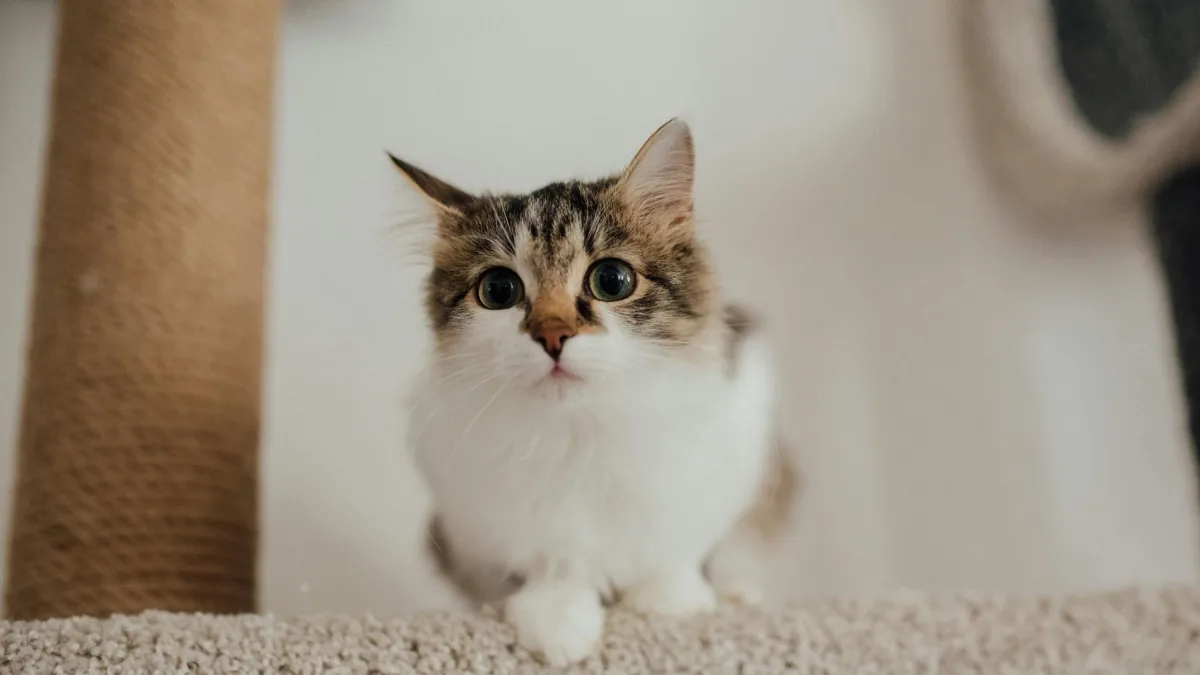
What HCM Actually Means for a Young Cat
Hypertrophic cardiomyopathy causes the heart muscle to thicken, reducing the heart's ability to fill and pump effectively. It ranges from mild and stable — where a cat can live a normal life for years with minimal intervention — to severe, where heart failure or sudden cardiac death can occur with little warning.
Butterscotch's case was caught at a mild stage. That's the good news. The follow-up plan included an echocardiogram every six months to monitor progression, and a cardiology consultation to evaluate whether medication was warranted. Diane's vet referred her to a board-certified cardiologist, because monitoring HCM properly requires specialist-level equipment and interpretation.
Just the initial cardiology appointment and echocardiogram ran $650. Follow-up echos at the specialist run $400–$600 each. If medication becomes necessary — atenolol or diltiazem are common — that's an ongoing monthly cost. Over a couple of years, Diane told me the cardiology bills alone had crossed $3,500. And Butterscotch was still in mild-stage HCM.
The Cornell University College of Veterinary Medicine notes that HCM is the most frequently diagnosed cardiac disease in cats, affecting an estimated 15% of the general cat population — with higher rates in certain breeds. For ragamuffins and their close relative the ragdoll, that percentage is thought to be higher, though large-scale breed studies are limited.
How Diane's Insurance Actually Handled It
Diane had enrolled Butterscotch in a mid-tier policy at eight weeks old — $500 annual deductible, 80% reimbursement, $10,000 annual limit. Not the most comprehensive plan available, but not the cheapest either. She'd been paying about $38 a month.
The initial cardiology workup was covered. The follow-up echocardiograms were covered. Where it got complicated was the ongoing monitoring cadence. Her policy covered diagnostics and treatment for illness, but there was language about whether "monitoring of a known stable condition" qualified as ongoing illness treatment or preventive care. Her insurer ultimately counted the monitoring echos as illness-related (because HCM is a progressive disease, each echo is evaluating disease status, not just running a screen), and they've continued to cover them.
She considers herself lucky. She told me she'd read forum posts from other cat owners whose insurers had fought harder on the monitoring question, arguing that a stable HCM cat didn't need semi-annual specialist visits. The distinction matters. If Butterscotch's condition worsens and she needs cardiac medication or hospitalization, Diane's policy will cover most of that. If she'd been with an insurer that had decided the monitoring was unnecessary, the relationship with the cardiologist might have been harder to maintain financially.
What to Look for in a Ragamuffin Policy
Ragamuffins are otherwise pretty healthy cats. They tend to be large (males often reach 15–20 pounds), calm, and not prone to the orthopedic issues you see in more active breeds. What you're specifically insuring against with a ragamuffin is cardiac disease.
That means a few things matter more than they might for other breeds:
Specialist coverage: Some policies cover specialist visits, some limit them, and some require referrals from a primary vet. For a cat that might need a cardiologist, you want full specialist coverage included in your plan — not a separate sublimit or a referral requirement that creates friction when you need care quickly.
Diagnostic coverage: Echocardiograms are expensive. Policies that cap imaging or diagnostics separately from the overall annual limit are a problem for a cat who may need an echo twice a year for the rest of her life.
Hereditary condition language: HCM in cats is believed to have a genetic component, though the specific genes involved vary by breed. Policies that broadly exclude hereditary or genetic conditions could deny HCM claims entirely. Look for policies that cover hereditary conditions that manifest after the policy start date, not blanket exclusions.
Chronic condition management: HCM doesn't resolve. It's managed. You want a policy that covers ongoing treatment for a diagnosed chronic condition, not one that resets exclusions or limits coverage after the first year of diagnosis.
The Weight and Obesity Risk
There's a less dramatic but still real health concern with ragamuffins: they gain weight easily. They're low-energy cats with large frames, and they tend to be enthusiastic about food. Obesity in cats accelerates joint deterioration, increases diabetes risk, and can worsen cardiac conditions like HCM by adding strain to an already-compromised heart.
Diane put Butterscotch on a measured feeding schedule after the HCM diagnosis, partly on the cardiologist's advice. She switched to a portion-control feeder that makes Butterscotch work for kibble in small increments throughout the day. It's helped. But she also mentioned that her vet had been flagging Butterscotch's weight for a year before the HCM diagnosis — she'd assumed the vet was being overly cautious.
Insurance doesn't cover weight management. But keeping a ragamuffin at a healthy weight is one of the most direct things you can do to protect their cardiac health. For a breed with known HCM risk, it's worth taking more seriously than it might sound.
When to Get Coverage
For a ragamuffin, as early as possible. Ideally before the first vet visit, since some insurers set the pre-existing condition baseline at the date of first documented veterinary care.
Ragamuffin kittens are generally available around 12 weeks old. Most insurers can start coverage same-day. Get the policy in place before the first wellness exam so that any findings during that exam don't immediately become pre-existing conditions.
If you're adopting an adult ragamuffin with no known veterinary history, consider requesting a fresh cardiac screening before enrolling in insurance. Some insurers offer policy reviews or pre-enrollment assessments — knowing what's already there lets you shop policies with accurate information about what will and won't be covered.
Diane's main advice: "Read the hereditary condition exclusions carefully. Don't assume 'illness coverage' includes everything." After four years of managing Butterscotch's HCM, she's become a reluctant expert in exactly how much pet insurance language matters.