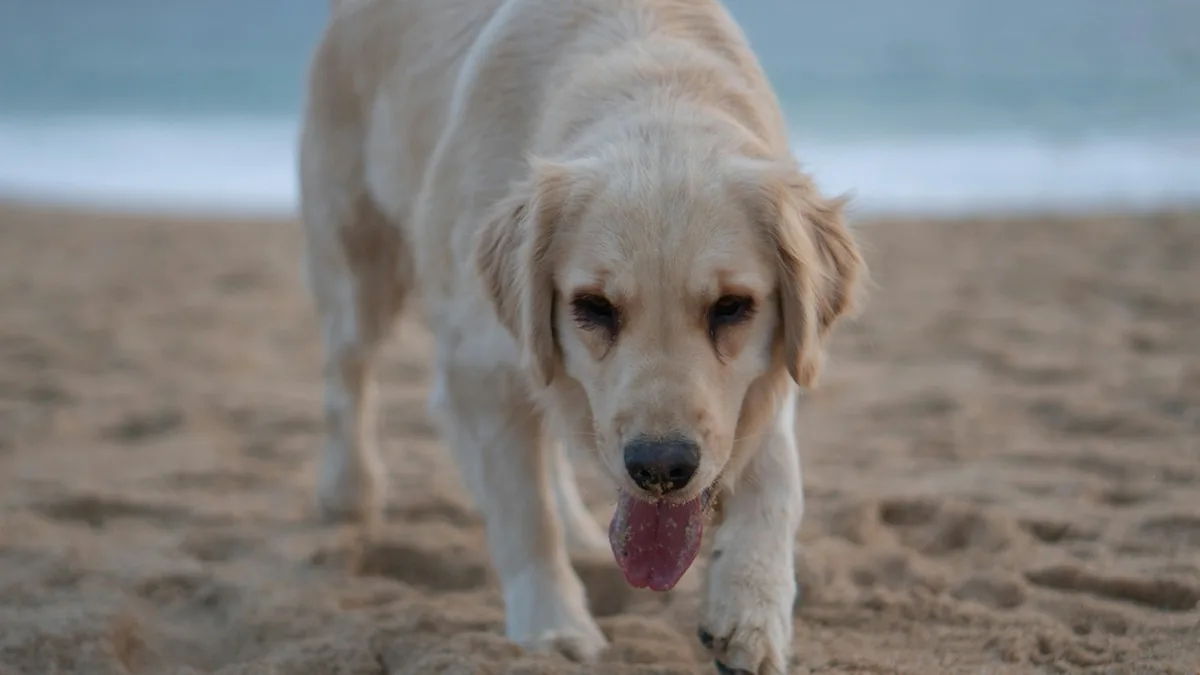
The Emergency Vet Visit and Diagnosis
Margot got Otis to the 24-hour clinic on Powell Boulevard by 11:45 PM. The vet on duty, Dr. Chen, did a quick exam and ordered X-rays right away. The radiograph showed an obstruction in the small intestine. The towel was bunched up somewhere past his stomach and wasn't moving.
Dr. Chen explained the options. They could try inducing vomiting, but it was too late for that since the object had already passed the stomach. They could attempt endoscopy, but at $1,800 with a low success rate for fabric, it was a gamble. The third option was surgery to physically remove the obstruction.
The surgical estimate came in at $4,800 to $5,800 depending on what they found once they opened him up. If the intestine was damaged enough to need a resection, it would be on the higher end. Dr. Chen wanted consent within the hour because Otis was already showing signs of his gut shutting down.
What Insurance Actually Did at Midnight
Margot had a policy with one of the bigger pet insurance companies. She'd signed up when Otis was six months old, so all the waiting periods had cleared a year ago. Accident coverage was active. Illness coverage was active. No exclusions related to swallowing objects.
The thing she didn't realize until that night: pet insurance doesn't pay the vet directly in most cases. She had to put $5,200 on her credit card at 2 AM when she signed the consent forms. The vet hospital required full payment at discharge, which was scheduled for the next afternoon if Otis recovered well.
This is where I want to stop and say something important. If you have pet insurance, please check whether your provider offers direct vet pay or only reimbursement. The Insurance Information Institute has a good overview of how pet insurance reimbursement works that I sent Margot the next day. Most policies require you to pay first.
The Surgery Itself
Dr. Chen did the surgery at 1:30 AM with a tech assisting. It took about two hours. The obstruction was further down than they'd hoped, and a small section of intestine had started to die from lack of blood flow. They removed about three inches of intestine and stitched the healthy ends back together.
Otis stayed at the hospital for 36 hours on IV fluids and pain medication. Margot couldn't visit him because of the clinic's overnight policies, which made the wait brutal.
The Claim Process After Discharge
When Otis came home Thursday afternoon, Margot had a packet of paperwork from the clinic. Itemized invoice. Discharge summary. Surgery notes. Anesthesia records. She scanned everything and uploaded it to her insurance company's app that same evening.
The claim was approved 11 days later. Her policy covered 80% of eligible expenses after a $250 annual deductible. The $5,200 bill broke down like this: $200 for the emergency exam fee, $340 for X-rays, $4,100 for the surgery itself, and $560 for hospitalization and medications.
The deductible came out first, then 80% of the remaining $4,950, which worked out to $3,960. Margot got a direct deposit for $3,960 the day after approval. Out of pocket she paid roughly $1,240, which still hurt but was a far cry from $5,200.
Things Margot Didn't Know to Watch For
A few things tripped her up that I wish I'd warned her about ahead of time.
The emergency exam fee at her clinic was $200, but her policy had a separate sub-limit on exam fees that capped reimbursement at $150. So she lost $40 just on that line item. Most policies have these little caps buried in the fine print.
The post-surgery follow-up visits two weeks and four weeks later were technically covered, but each one had its own exam fee that hit the sub-limit again. She ended up paying out of pocket for things she'd assumed would be covered.
Also, the prescription pain medication her vet sent home was filled at the clinic. Some insurers reimburse human-pharmacy fills at a higher rate than vet-clinic fills. She didn't know that and lost about $30 on the medication line.
What I'd Tell Anyone With a Chewer
Otis is a known chewer. Margot knew it. He'd destroyed two beds, a remote control, and her favorite slippers before this incident. After the surgery, she did a few things differently.
She put a baby gate across the kitchen entrance during meal prep and cleanup. She started doing weekly sock and washcloth counts (yes, really). She bought him a snuffle mat and a bunch of puzzle toys so he had something better to chew than her dish towels.
The other thing I'd say is: review your policy's emergency coverage every renewal. Margot's renewal came up six months after Otis's surgery, and her premium jumped from $52 to $71 per month. That's normal after a big claim, but it caught her off guard. The American Veterinary Medical Association has a resource on choosing pet insurance worth reading at renewal time.
How Common Is This?
I asked my vet about foreign body obstructions the next time I was in for Juniper's checkup. She said her clinic sees one or two per month, and that's just a small neighborhood practice. The big emergency hospitals see them weekly.
Common culprits she mentioned: socks, underwear, corn cobs, peach pits, tennis balls (puppies will swallow halves), rope toys, dental chews if the dog doesn't break them down properly, and string from roasts or holiday meats. Towels and washcloths were on the list too, which is what Otis got.
Honestly, the moment you know your dog is a swallower, just assume one of these will happen eventually. Insurance won't prevent it, but it'll keep the bill from wiping out your savings.