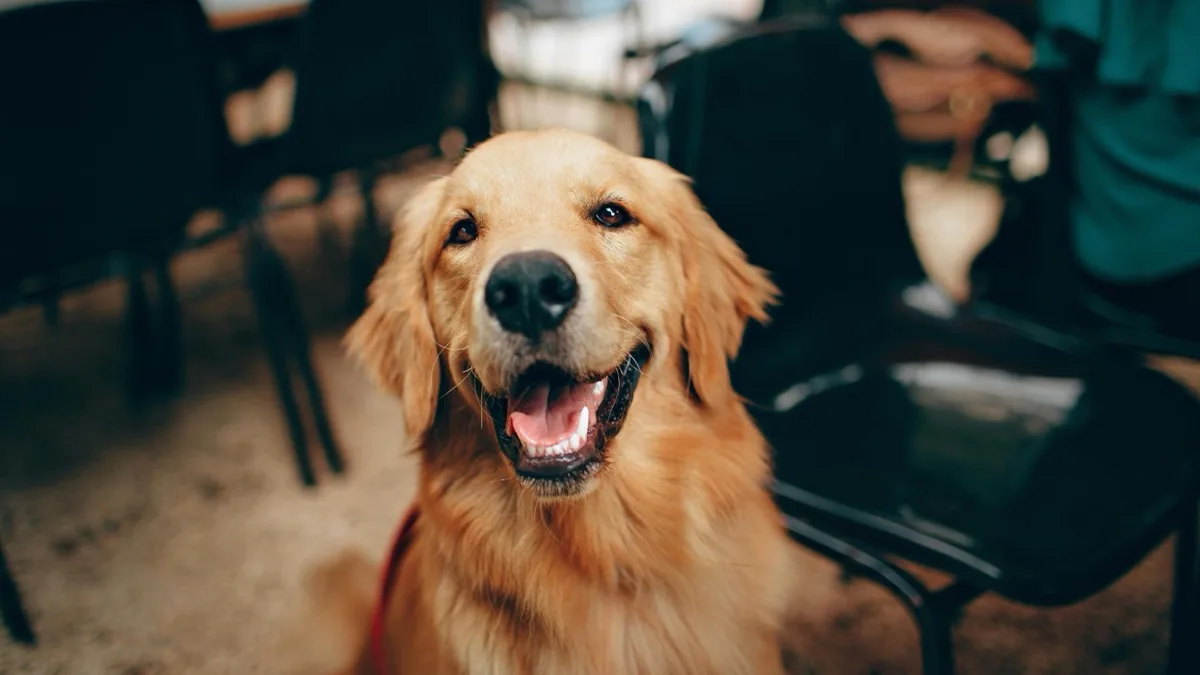
The Diagnosis Was Quick and Expensive
Our vet, Dr. Pham, did a drawer test on Cooper's knee right there in the exam room. She grabbed his leg, pulled forward, and the whole joint shifted. "Classic cranial cruciate ligament rupture," she said. In dogs they call it CCL, not ACL, but it's basically the same thing.
She recommended X-rays to check for arthritis and rule out other damage. $380 for the visit and imaging.
Why Labs Tear Their ACLs So Often
Dr. Pham told me Labs are one of the most common breeds she sees for cruciate injuries. Big, heavy dogs who love to run and jump. That combination wears the ligament down over time.
It's not always a sudden injury. Sometimes the ligament degenerates slowly and then finally gives out during normal activity. Cooper might have had a partially torn ligament for months before it fully ruptured.
My friend Tom's Lab blew his ACL just stepping off the porch. Didn't even need to be doing anything athletic. Once the ligament is weakened, any normal movement can finish the job.
Labs between 2 and 8 years old are in the highest risk window. Cooper was right in the middle at 4.
Choosing TPLO Surgery
Dr. Pham referred us to an orthopedic surgeon, Dr. Rivera, who recommended TPLO surgery. That stands for tibial plateau leveling osteotomy. They actually cut and rotate the top of the shin bone so the knee stabilizes without needing the ligament.
It sounds brutal. I watched a YouTube video of the procedure and wished I hadn't.
The other option was a lateral suture technique, which costs less but isn't recommended for bigger dogs. Cooper is 82 pounds. TPLO was the only real choice.
The surgical estimate came in at $6,200. That included pre-surgical bloodwork, anesthesia, the surgery itself, a night of hospitalization, follow-up X-rays, and two weeks of pain medication.
I called my buddy Marcus who works at an animal hospital in the next county. He said $6,200 was actually fair. Some clinics in our area charge $7,000-8,000 for TPLO.
Filing the Insurance Claim
I'd signed Cooper up for insurance when he was a puppy. Honestly forgot about it most months. The $48/month premium felt like wasted money for three years because Cooper never got sick.
Then he tore his ACL and that policy became the best purchase I'd ever made.
The Claim Process Was Easier Than Expected
I submitted the claim online the day after surgery. Uploaded the invoice, Dr. Rivera's surgical notes, and Cooper's medical history.
The insurance company asked for records going back to his first vet visit. They wanted to confirm no prior limping or lameness had been documented. Luckily Cooper's records were clean.
Claim was approved in 11 days. They paid 80% after my $500 annual deductible. On the $6,200 surgery, I got back $4,560.
My out-of-pocket for a $6,200 surgery ended up being $1,640. I'd paid maybe $2,300 in premiums total up to that point. The policy paid for itself several times over in one claim.
According to the American Kennel Club, certain breeds require more frequent veterinary visits, which should factor into insurance decisions.
Physical Therapy Added Up Too
Surgery was only the beginning. Cooper needed 8 weeks of restricted activity. Crate rest, leash walks only, no stairs. Trying to keep a Labrador still for two months is genuinely one of the hardest things I've done.
Then came physical therapy. Underwater treadmill sessions twice a week for 6 weeks. $120 per session. Total rehab cost was about $1,400.
Insurance covered rehab too, which I didn't expect. Another $1,120 reimbursed after the 80% calculation. My neighbor Janelle's policy didn't cover rehab at all, so she paid the full $1,800 for her golden's physical therapy.
Not all policies cover rehabilitation. It's one of those things you never think to check until you need it.
The Second ACL Tear Nobody Warned Me About
Five months after Cooper's surgery, he was almost back to normal. Running again, playing fetch, being Cooper.
Then he started favoring the other back leg.
Labs Often Tear Both
Dr. Rivera had mentioned this during our first visit. Dogs that tear one ACL have a 40-60% chance of tearing the other side within one to two years. They compensate by putting extra weight on the good leg, which stresses that ligament.
I was hoping Cooper would be in the 40% that don't. He wasn't.
Second TPLO surgery. Another $6,200. This time I knew what to expect, which made it slightly less terrifying but no less expensive.
My annual deductible had already been met from the first surgery, so insurance covered 80% of the full amount. Got back $4,960 on this one.
Cooper has had over $14,000 in orthopedic work done in less than a year. Insurance has reimbursed about $10,640 of that. I don't want to think about what would have happened without coverage.
What I'd Tell Other Lab Owners
Get insurance before your Lab shows any sign of limping. Seriously. Once there's a note in the medical records about favoring a leg or stiffness after exercise, it can get flagged as pre-existing.
My coworker Diana waited until her Lab was 6 to get insurance. By then he already had documented joint stiffness. The insurance company excluded all orthopedic conditions from his policy. When he tore his ACL at 7, she paid the full $7,100 out of pocket.
Look for a policy that covers hereditary and breed-specific conditions. Some cheaper plans exclude them, and for Labs, that basically defeats the purpose of having insurance.
Also check whether physical therapy is covered. It makes a real difference in recovery. Cooper's surgeon said dogs that do rehab after TPLO have better long-term outcomes.
Cooper is 5 now with two titanium plates in his knees. He still chases tennis balls. He's a little slower but he doesn't care. Neither do I. I'm just glad we could afford to fix him.