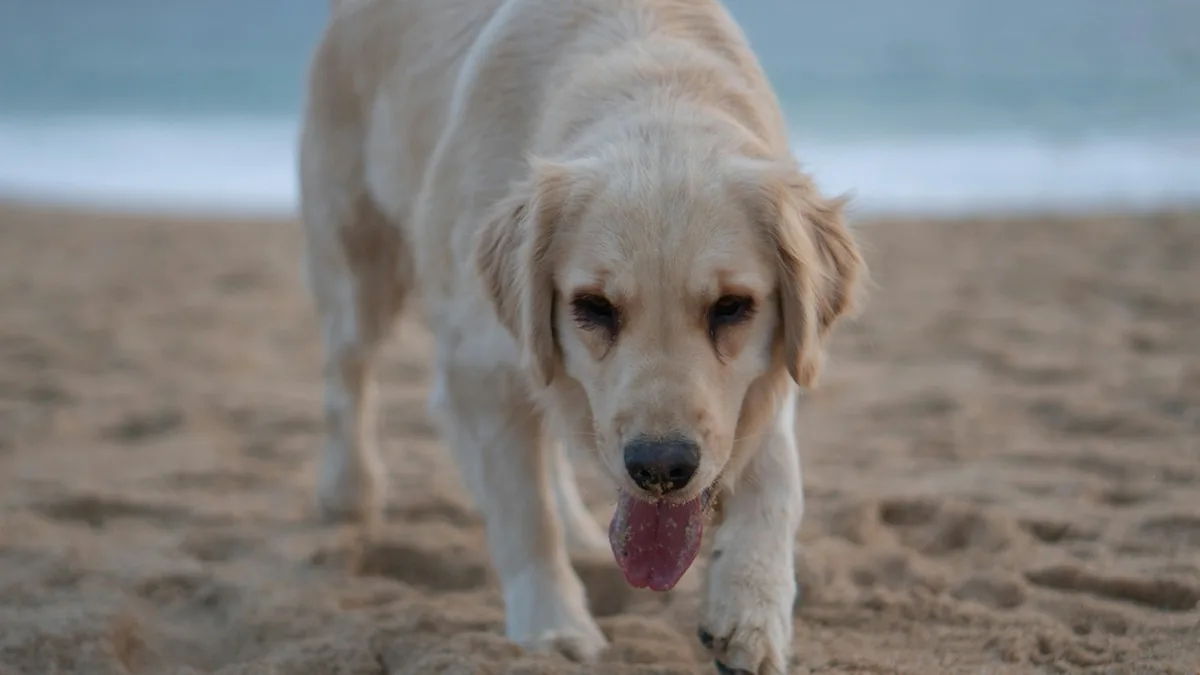
The Thing About Rottweilers That Nobody Mentions
I used to think big dogs meant fewer problems. Like, how hard could it be? Tank was built like a tank. The name fit.
But big dogs have big dog problems. And big dog vet bills.
Bone Cancer Hits Different With Rottweilers
The X-ray showed a shadow on Tank's front leg. Just a shadow. But the vet got really quiet when she saw it.
Osteosarcoma. Bone cancer.
I didn't even know dogs got bone cancer. Turns out Rottweilers get it more than most breeds. Lucky us.
Surgery to remove the leg was $6,000. Then chemo was another $400 every three weeks for six months. Plus all the check-ups and blood tests in between.
Tank handled losing his leg better than I handled the bills. He was hopping around like nothing happened while I was calculating whether I could afford to save him.
The worst part? My neighbor's Rottweiler Bruno got diagnosed with the same thing two years later. Different leg, same cancer. Same impossible choice for his family.
Hip Problems Start Earlier Than You Think
Before the cancer thing, Tank had started sitting weird. Not all the time, just sometimes. When he got up from his bed, he'd stretch his back legs longer than usual.
I mentioned it to the vet during his annual check-up. She felt around his hips and suggested X-rays.
Hip dysplasia. At four years old.
The vet said surgery would be around $5,000 per hip. Tank needed both sides done eventually. Maybe not right away, but eventually.
I started doing the math. Two hip surgeries, plus the ongoing medication for arthritis, plus whatever else came up. It added up fast.
My buddy Mark's Rottweiler went through the same thing. He said the surgery helped, but it's not a cure. Just buys you time before the arthritis gets worse.
According to the American Veterinary Medical Association, comparing multiple quotes before purchasing a policy can save pet owners significant money over the life of a policy.
Heart Problems You Can't See Coming
During one of Tank's cancer check-ups, the vet heard something weird with his heartbeat. A murmur or something.
Great. Another thing to worry about.
She wanted to do an echocardiogram. That's like an ultrasound for the heart. Cost $600 just for the test.
Turns out Tank had subaortic stenosis. Basically a narrow spot where blood leaves his heart. Could cause sudden collapse or worse.
The cardiologist said some Rottweilers just have it. Genetic lottery again. We'd need to monitor it every six months. More appointments, more tests, more money.
I asked if the cancer treatment could make the heart thing worse. She said maybe. Everything's connected when your dog is falling apart.
How I Finally Got Smart About Rottweiler Insurance
Tank's medical bills taught me what Rottweiler insurance actually needs to cover. Hint: it's not what I thought when I first got a policy.
As the American Veterinary Medical Association points out, pre-existing condition exclusions remain the most common source of claim denials in pet insurance.
Cancer Coverage Has To Be Unlimited
My first insurance policy had a $5,000 annual limit on cancer treatment. Sounds like a lot until you're looking at $15,000 in actual bills.
Tank's leg amputation alone cost more than my yearly limit. Then we hadn't even started chemo yet.
I switched to a policy with unlimited cancer coverage. Costs more monthly, but after going through this once, I know what cancer treatment actually costs.
The new policy covered 90% of Tank's remaining treatment. I wish I'd had it from the beginning.
Some policies have lifetime limits on cancer. Like $50,000 total. That sounds like a fortune until you're actually using it. Then it disappears fast.
Don't Ignore The Heart Stuff
I never thought about cardiac coverage when I first got insurance. Hearts seem like basic medical stuff, right?
Wrong. Specialized cardiac testing is expensive. The echocardiogram, stress tests, follow-up monitoring. It adds up.
Some policies don't cover cardiac screening unless there are symptoms. But with Rottweilers, you want to catch heart problems early.
I specifically asked about cardiac coverage when I switched policies. The agent seemed surprised. She said most people don't think about heart problems in dogs.
Maybe they should. Tank's heart condition could have killed him if we hadn't caught it during the cancer work-up.
Joint Surgery Coverage Gets Complicated
Here's something weird about pet insurance. Some companies won't cover hip dysplasia if it's considered hereditary. But hip dysplasia in Rottweilers is almost always hereditary.
So they'll insure a Rottweiler but not cover Rottweiler problems. Makes sense, right?
I had to read the fine print carefully when switching policies. Some companies have waiting periods for joint problems. Like 12 months before coverage kicks in.
Others cover it right away but have caps on surgical procedures. Tank would have needed $10,000 worth of hip surgery. A $5,000 cap wouldn't have helped much.
The policy I ended up with covers hereditary conditions without caps. Costs more, but Tank's already shown me what happens when you're underinsured.