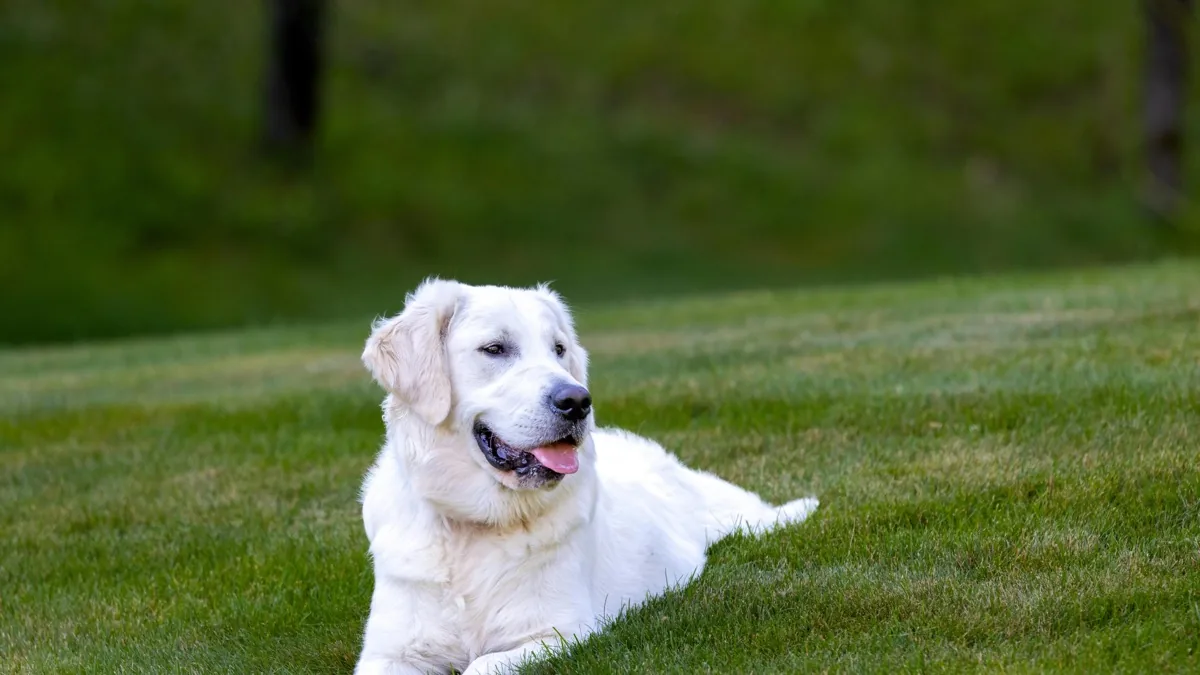
Samoyed Hereditary Glaucoma Is a Real Thing
Powder was about 18 months old when Dan noticed his left eye looked cloudy. He figured it was conjunctivitis. His regular vet referred him to a veterinary ophthalmologist, and that's when the phrase Samoyed Hereditary Glaucoma entered their lives.
SHG is an inherited form of primary glaucoma that's significantly more common in Samoyeds than in most breeds. The Orthopedic Foundation for Animals tracks it as one of the breed's notable health concerns. It can affect one eye or both, and treatment typically starts with medication to manage intraocular pressure. If pressure can't be controlled with drops, surgery becomes the next conversation.
Powder's left eye required three specialist visits at $280 each before the ophthalmologist recommended a procedure. His right eye showed early signs six weeks after that. By the time Dan and I talked budgets, he'd already spent $1,400 — and that was before any surgery.
Where Dan's Insurance Failed Him
This is where Dan got unlucky twice: the glaucoma and the insurance timing.
He'd bought a basic accident-only policy when Powder was 8 months old because it was $22 a month and Powder seemed healthy. Hereditary glaucoma is an illness, not an accident. Zero coverage.
Most comprehensive pet insurance policies do cover glaucoma as an illness claim — specialist visits, medications, surgery — provided the condition isn't pre-existing when you enroll. The specific problem with Samoyeds is that SHG can emerge anywhere between 12 months and 3 years. Some dogs show signs early. Some don't develop symptoms until year two or three. If you buy comprehensive coverage before any eye symptoms appear in the vet record, you're covered. If you wait, you're not.
Dan enrolled Powder in a better policy after the diagnosis. He pays $78 a month now. The glaucoma is excluded as pre-existing. He's protected against everything else going forward — which is something, but not what he needed in that moment.
The Pre-Existing Condition Window
The practical window for getting Samoyed eye conditions covered is the puppy-to-12-months period, before any symptoms show up in a vet record. Insurers use veterinary records as their baseline. If there's any notation about eye cloudiness, squinting, increased tearing, or elevated pressure in any exam — even a mention of 'monitoring' — that can trigger a pre-existing exclusion on the eye condition.
I've heard from a few Samoyed owners who enrolled early and had claims paid: $2,400 for glaucoma surgery, $1,800 for ongoing medication management over 18 months. The math on $65-80 per month for comprehensive coverage looks completely different once you're looking at those numbers from the other side.
Other Health Issues in the Breed
Glaucoma gets the most attention in Samoyed health circles, but it's not the only concern.
Hip dysplasia appears in some lines. The OFA places Samoyeds in a moderate risk category for hip problems relative to other working breeds. Surgery for severe hip dysplasia runs $3,500 to $7,000 per hip. Diabetes mellitus shows up more frequently in Samoyeds than in many other breeds — ongoing insulin management, monitoring supplies, and regular bloodwork can run $1,200 to $2,000 per year. Pulmonary stenosis, a heart condition, is also documented in the breed and can require cardiac evaluation at $400-600 just for an initial workup.
None of this is guaranteed. A lot of Samoyeds live 12-14 years with very few health problems. But the risk profile is real, and insurance pricing reflects it. You're generally looking at $65-90 per month for comprehensive Samoyed coverage, which is meaningfully higher than lower-risk breeds in the same size range.
What Powder's Story Actually Came to
The left eye surgery went well. Total cost was $2,400 between the procedure and follow-up appointments. Dan paid all of it out of pocket. The right eye has been stable on medication for seven months, which his ophthalmologist considers a good outcome for now.
He's not bitter about it. He knew what he'd signed up for with the accident-only policy. But he'd do it differently — comprehensive coverage from the start, before Powder's first birthday. That's the version of this story that doesn't include a $3,800 out-of-pocket stretch.
His actual advice, the words he'd send to anyone considering a Samoyed: the fluffy white dog costs more than you think in every single category. Grooming, food, health care. Get comprehensive insurance before they turn one year old. Don't let the $20/month accident-only price tag make the decision for you when you're looking at a breed with this specific health profile.