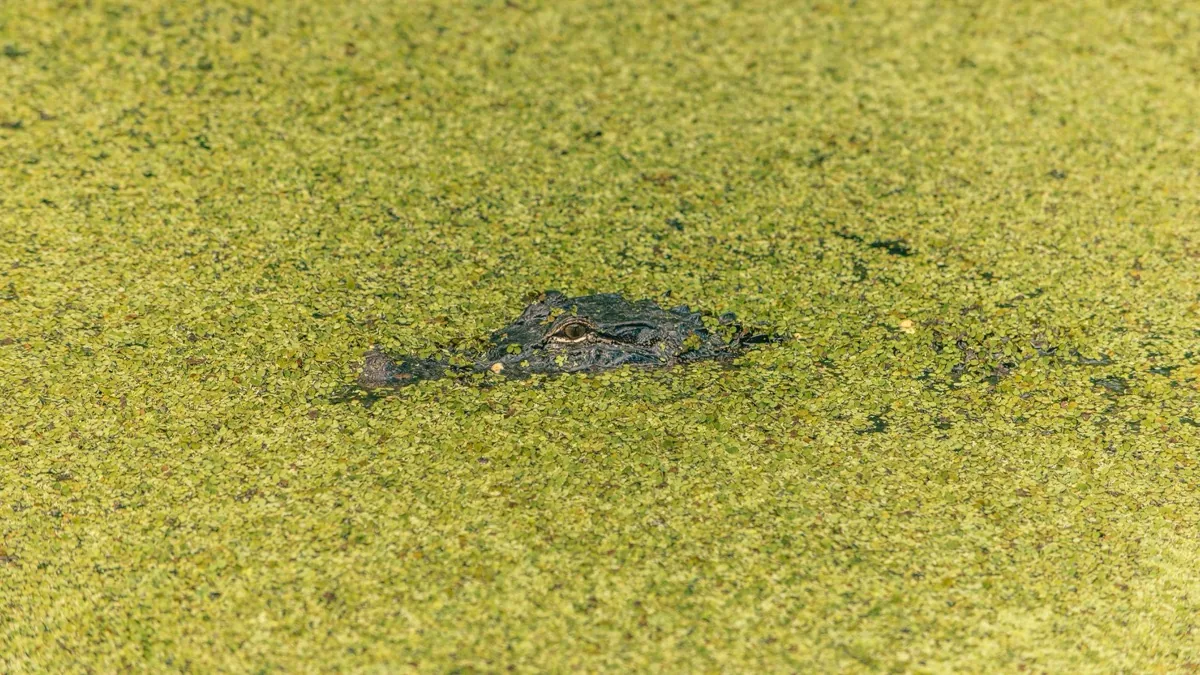
Why New Orleans Heartworm Risk Is Year-Round
Heartworm transmission requires sustained temperatures above roughly 57 degrees Fahrenheit for the parasite to develop inside mosquitoes. In northern states, that means a transmission window from late spring through early fall. In New Orleans, average winter lows hover in the upper 40s and daytime highs regularly hit 60 or 70 even in January. The transmission window essentially never closes.
The American Heartworm Society publishes a US incidence map that consistently shows Louisiana, Mississippi, and Alabama as the highest-risk region in the country. The Mississippi Delta region in particular has heartworm rates that can be 10 to 15 times higher than the national average in some years.
For New Orleans pets specifically, the risk factors that matter most are:
- Standing water from frequent rain and post-storm flooding
- Year-round mosquito populations in shaded areas like Audubon Park, City Park, and the Lakefront
- Older neighborhoods with poor drainage that hold water
- Outdoor cats and dogs that spend significant time in mosquito-prone areas
Even indoor pets in New Orleans are at risk. Mosquitoes get inside houses regularly here, and a single bite from an infected mosquito can transmit the parasite.
What Heartworm Treatment Actually Costs in New Orleans
The standard heartworm treatment protocol involves a combination of injections, antibiotics, and strict activity restriction over several months. New Orleans veterinary costs for the full protocol typically run:
- Diagnostic testing and pre-treatment workup: $200 to $400
- Melarsomine injection series (the main treatment): $800 to $1,800
- Doxycycline and supportive medications: $150 to $300
- Follow-up testing at six months: $80 to $150
- Total typical range: $1,200 to $3,000 for a standard adult dog
Severe cases involving caval syndrome (heartworms migrating to the heart's right atrium) require surgical intervention and can run $4,000 to $8,000. Cats with heartworm have no approved treatment protocol, so management focuses on supportive care, which can run several thousand dollars over the course of the disease.
How Pet Insurance Handles Heartworm
The standard insurance treatment of heartworm breaks into three categories: preventive medication, diagnostic testing, and active disease treatment. Each is handled differently.
Preventive Medication
Heartworm prevention pills like Heartgard, Interceptor, or Trifexis are not covered by standard accident-and-illness policies. They fall under the routine care category along with vaccinations and flea prevention. Wellness add-ons typically reimburse $50 to $200 per year toward prevention costs. In New Orleans, where year-round prevention costs $120 to $250 annually depending on the dog's size, a wellness add-on can offset most of the expense.
Annual Heartworm Testing
The annual heartworm test required to renew prevention prescriptions is also routine care, not covered by base policies. Wellness plans usually include the test in their reimbursement. The test runs $35 to $75 in New Orleans.
Active Heartworm Treatment
If your pet is diagnosed with heartworm, the treatment is covered as an illness under standard accident-and-illness policies, assuming the disease wasn't pre-existing when you enrolled. Reimbursement is typically 70 to 90 percent of the bill after your deductible. On a $2,500 treatment, that means out-of-pocket costs around $250 to $750 plus your deductible.
Pre-Existing Condition Risk in New Orleans
This is where New Orleans pet owners need to be especially careful. Heartworm has a long latent period. A dog can be infected for six months or longer before testing positive. If you adopt a dog from a New Orleans shelter and enroll in insurance the same week, then test positive a few months later, the insurer may consider the infection pre-existing because the parasite was likely already present.
The defenses against this issue are:
- Get a clean heartworm test on record before enrolling, ideally within a few days of policy effective date
- Keep documentation of the dog's prior medical history if available from a shelter or rescue
- Ensure prevention medication has been given consistently since the policy started
If your dog tests positive after coverage starts but had a clean test on record at enrollment, the insurer should cover treatment. The clean test is the documentation that establishes the condition was not pre-existing.
What I'd Recommend for New Orleans Coverage
Given the local heartworm risk profile, here's what I'd prioritize for a New Orleans pet:
- Accident and illness coverage with strong illness benefits: Heartworm treatment can run $3,000 or more, and you want adequate annual benefit limits.
- Annual deductible structure: If your pet has any health issues alongside heartworm, an annual deductible spreads better than per-incident.
- Wellness add-on if the math works: The year-round prevention cost is high enough that a wellness plan can pay for itself if the reimbursement covers most of the prevention spend.
- Coverage that travels: Hurricane evacuations may require treatment outside Louisiana. Confirm your policy works at any licensed vet.
Renee ended up with a policy that included a wellness add-on. Her math was that prevention plus annual testing for Pickle ran $310 a year, and her wellness benefit reimbursed $250 of that. She paid $15 a month extra for the add-on, which was almost a wash, but the coverage also handled vaccines and a dental cleaning, which made the whole package worthwhile. Two years in, no heartworm scares, and she's stopped second-guessing the year-round prevention.