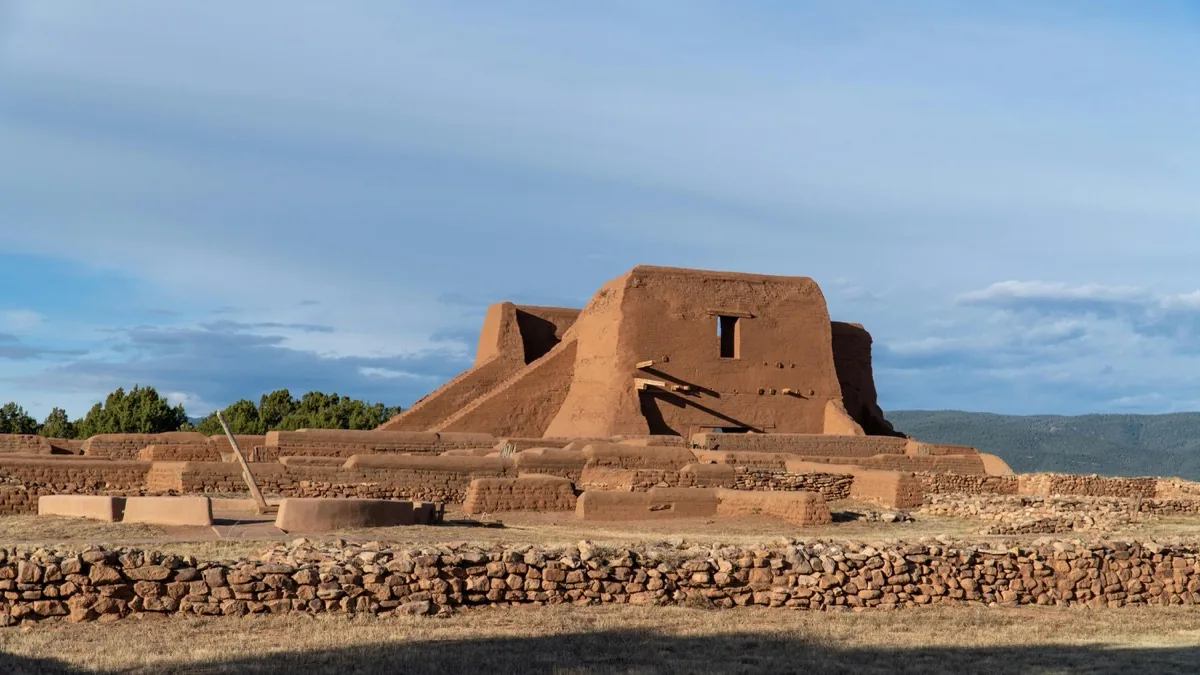
New Mexico is a state of geographic extremes. Elevations range from under 3,000 feet in the southern desert to over 13,000 feet in the northern mountains. Most of the population lives along the Rio Grande corridor at elevations between 4,500 and 7,000 feet. That high desert altitude affects pet health in specific ways that owners moving from sea level often don't anticipate.
The state has a relatively limited number of veterinary specialists compared to coastal states. Albuquerque and Santa Fe are the primary hubs for emergency and specialty care. Pet owners in smaller cities and rural areas often drive an hour or more for advanced veterinary services. That access gap makes pet insurance more relevant here because complex cases sometimes mean travel to Denver or Phoenix for specialized treatment.
New Mexico's climate is dry, sunny, and dramatic. Summer heat in the lower elevations can reach 100 degrees, while winter nights at higher elevations drop well below freezing. Wildlife encounters with rattlesnakes, coyotes, and porcupines are common in suburban areas backing up to open desert or mountain terrain. These risks shape what kind of coverage makes sense for pets in the state.
Vet costs in New Mexico vary widely by city. Albuquerque sits roughly at national averages for most services. Santa Fe runs noticeably higher because of the smaller market and higher cost of living. Rural areas can be cheaper for routine care but often lack the equipment and specialists needed for serious cases.
Common New Mexico Considerations
- Rattlesnake bites in suburban and rural areas
- Heat exhaustion in summer at lower elevations
- Foxtail and cactus injuries
- Coyote attacks on small pets
- Respiratory stress at higher elevations
Local Requirements: New Mexico requires rabies vaccination for dogs and cats. No statewide breed-specific legislation, though some municipalities have local ordinances.