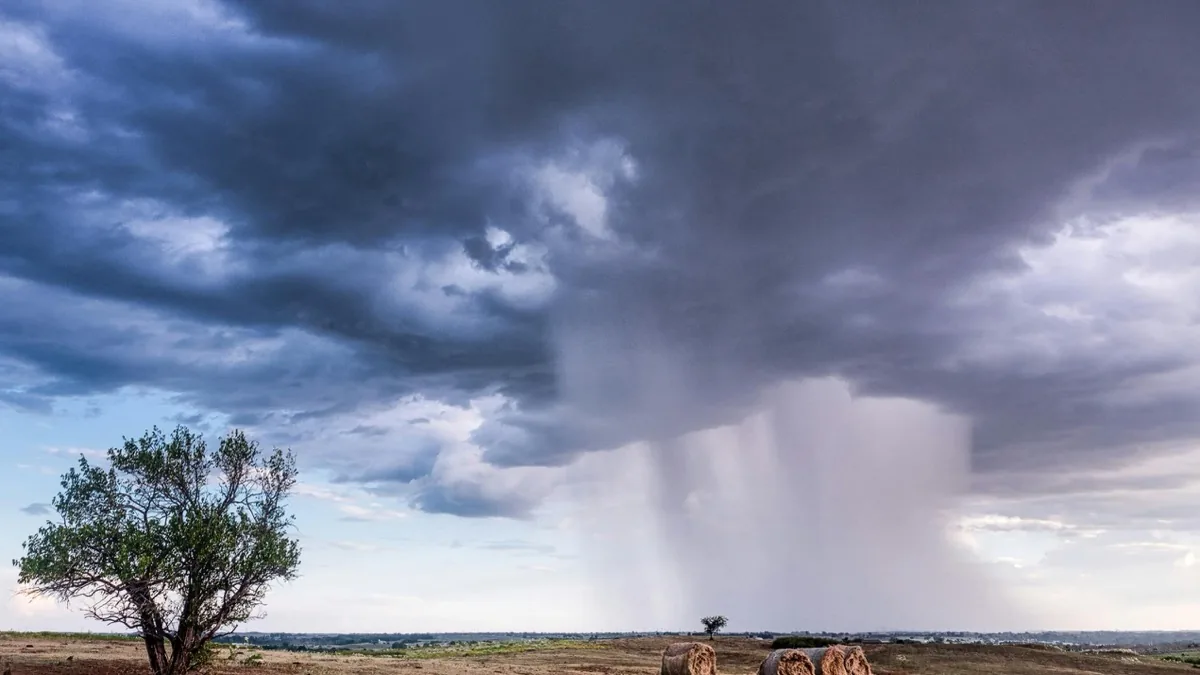
Before the Storm: 48-Hour Prep Checklist
National Weather Service Norman typically issues winter weather warnings 24 to 48 hours before significant ice events. Use that window. Once the storm hits, getting supplies becomes much harder because pharmacy and pet store traffic spikes and roads ice over.
Stock Pet-Specific Supplies
Five days of food is the minimum I recommend. Power outages in Oklahoma City often run two to four days, and roads can stay impassable for longer. Have an extra bag in addition to whatever you're working through. Add prescription medications, refilled if you're within a week of running out.
Stock water in larger quantities than you think you need. A medium dog drinks roughly half a gallon a day in winter, more if you're feeding kibble. Plan five gallons per pet for a four-day outage. Tap water in OKC stays available during ice storms unless your specific neighborhood has a main break, but pressure can drop and quality can shift, so stored water is safer.
Set Up an Indoor Warm Zone
If you lose power, your house can drop 20 to 30 degrees in the first 12 hours depending on insulation. Pick a small interior room with no exterior walls, preferably a bathroom or interior bedroom. Stage blankets, a battery-powered space heater (carbon monoxide safe, not propane), and a thick floor pad before the storm starts. Body heat from people and pets stays manageable in a small room.
Pre-Position Paw Protection
Get boots fitted before the storm. Dogs hate boots until they need them, and the first time you try to put them on during an active emergency is the worst time to discover they don't fit. Practice with the boots indoors for at least a few minutes daily during winter, even if you don't end up using them every walk.
If boots aren't realistic for your dog, paw wax is a workable substitute. Apply before each outdoor trip during icy conditions. Musher's Secret and similar products provide a barrier against salt, sand, and chemical deicers used on OKC streets and sidewalks.
During the Storm: Safety Protocol
Once the freezing rain starts, the rules change. Outdoor exposure becomes risky fast, and the things that look manageable to you are often not manageable for a smaller or older pet.
Keep Outdoor Trips Short
Bathroom breaks only. Five to ten minutes maximum, even for dogs that normally love cold weather. Frostbite on paw pads, tail tips, and ears can develop within fifteen minutes at temperatures below 20 degrees with wind. The American Veterinary Medical Association publishes cold weather safety guidance for pets (AVMA cold weather pet safety) that aligns with what most OKC vets recommend.
Carry your dog through icy patches rather than letting them walk on ice if the dog is small enough. Cuts from ice are common during OKC ice storms, and a deep cut on a paw pad can require surgical repair and weeks of bandage changes.
Generator Safety for Pet Owners
This is the section I wish someone had drilled into Rebecca Hill before she lost her dog Tango during the 2020 ice storm. She ran a portable generator in her garage with the door cracked, and Tango was sleeping in the laundry room which shared a wall. Carbon monoxide killed the dog before Rebecca realized anything was wrong. The Centers for Disease Control covers generator carbon monoxide safety (CDC carbon monoxide safety) but the basic rule is: generators outside only, at least 20 feet from any door, window, or vent. Never in a garage, never in a basement, never near a pet's resting area.
Install battery-powered CO detectors near where pets sleep if you'll be running a generator during the storm. They're $20 to $40 and they save lives.
Watch for Cold Exposure Signs
Hypothermia signs include shivering, lethargy, weakness, slow breathing, and stiff muscles. Frostbite on extremities looks like pale or gray skin that becomes red and painful as it warms. If you see either, get the pet to a warm room, wrap in dry blankets, and call your vet or emergency hospital. Do not apply direct heat from a heating pad to suspected frostbite because it causes more damage.
After the Storm: Recovery and Cleanup
The hours after the ice starts melting bring their own risks. Salt and ice melt residue stays on sidewalks for days, and refreezing overnight creates new hazards. Several specific things to watch for during the recovery window.
Rinse paws after every outdoor trip. Use warm (not hot) water and a clean cloth. Salt and chemical deicers cause both chemical burns on paw pads and GI distress if the pet licks paws afterward. Severe cases can include vomiting, drooling, and burns that need vet treatment. The ASPCA Animal Poison Control Center maintains guidance on ice melt toxicity (ASPCA poison control resources) and treats ice melt ingestion cases routinely during and after winter storms.
Check paws for cuts, redness, or swelling daily for a week after the storm. Ice cuts often don't show up until the dog has rested and the foot has swollen a bit. Deep cuts on paw pads should be examined by a vet because they heal slowly and infection risk is significant.
Watch for delayed respiratory issues. Cold air and limited ventilation during indoor sheltering can trigger asthma in cats and exacerbate existing respiratory conditions in dogs. If you notice coughing, wheezing, or labored breathing in the week after a storm, get an exam.
What Insurance Actually Covers
Most accident and illness policies cover ice storm-related injuries, but with specifics worth knowing.
Frostbite and hypothermia are covered under accident coverage on essentially every major pet insurance provider. Treatment for severe cases can include IV fluids, warming protocols, and overnight hospitalization, easily totaling $1,500 to $3,000.
Paw injuries from ice cuts or chemical burns are covered as accidents. Diagnostic exams, suturing, bandaging, and antibiotic courses are standard claim items. A complicated paw injury with infection treatment can run $400 to $1,200.
Carbon monoxide poisoning is covered as an accident on most policies. Emergency treatment including oxygen therapy and supportive care often exceeds $2,000 for a severe case. Coverage applies as long as the exposure was not caused by intentional or reckless behavior, which generator misuse generally is not classified as.
Boarding during evacuation is generally not covered under standard accident and illness policies. Some providers offer a boarding rider or a separate emergency expense rider that covers temporary kennel costs when your pet is displaced. Read the rider details carefully before assuming any boarding is covered.
Lost pet recovery services are typically not covered. Microchipping is the best protection during chaotic weather events when pets can escape damaged fencing or open doors during evacuation. Oklahoma City Animal Welfare (OKC Animal Welfare) operates the city shelter and is the first place to check if a pet goes missing during a storm.